What Is a Software Development Process Model? A Complete Guide by Progressive Solution
Published on: 24 March, 2026
Today’s companies depend on organized methods to make solid apps, so software development process models choices matter more than ever. Building a basic site, phone tool, or big company platform? A steady method brings order, saves time, yet lasts beyond launch day.
Starting with a thought, a way to build software shapes its journey into something real. Through each step it goes, structure keeps everyone on track with what matters most. When that shape is missing, confusion spreads fast – time slips, results suffer.
- A path unfolds ahead of those building software development agency
- Better outcomes start when plans take shape smoothly
Grasping how software gets built matters if your business needs systems that grow, work well, yet stay affordable. Sometimes it’s not about speed – just smart structure guiding each step behind the scenes.
Software Development Process Model Explained
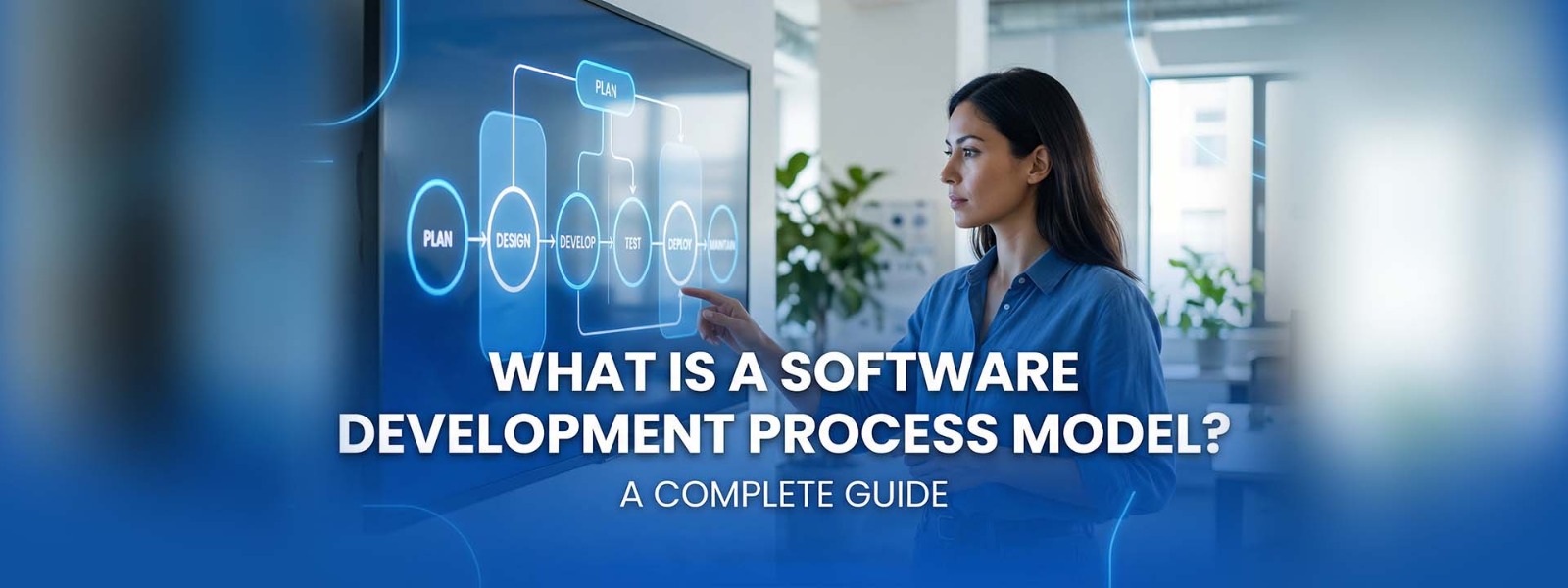
A typical way to build a software development process model follows a clear path – starting with planning, moving into design, then building, checking, and releasing the product. This approach gives teams a roadmap, showing what to do at every step of the journey through development.
From planning to execution, these frameworks help groups move step by step. Each phase gets clear direction so work flows without delays or confusion.
Parts of a Process Model
A standard way of showing how things work usually has these parts:
- Requirement gathering
- System design
- Development (coding)
- Testing
- Deployment
- Maintenance
One step at a time shapes how well the product turns out. When each part happens the right way, the software fits what users need and what the business wants.
Why It Matters
Without a defined process model:
- Projects become chaotic
- Deadlines are missed
- Quality suffers
With the right model:
- Teams collaborate better
- Risks are minimized
- Products are delivered faster
Starting off differently helps things run smoother while building clearer links among those involved plus the builders. Efficiency gets a quiet boost when steps are clear, yet talking across groups grows stronger too – structure shapes how messages move.
Waterfall Model in Software Development
Starting off, the custom software development process waterfall model stands as an early method. One step finishes only then does another begin. Following order matters here because nothing overlaps. Each stage waits its turn completely.
How It Works
- Requirement gathering
- System design
- Development
- Testing
- Deployment
One step follows the next, so keeping track feels natural. Progress moves forward without jumps, helping clarity along the way.
Advantages
- Simple and easy to manage
- Clear documentation at every stage
- Fine for little tasks where needs won’t shift
Disadvantages
- Not flexible to changes
- Testing happens late in the process
- High risk if requirements change
When to Use
- When requirements are clearly defined
- Sometimes changes are barely possible.
- On tiny jobs that don’t twist in too many directions
Agile Process Model in Software Development
Today, many teams choose the agile process model in software development because it adapts easily. Its step-by-step rhythm allows constant tweaks along the journey.
Key Features of Agile
- Iterative development through sprints
- Continuous feedback from stakeholders
- Frequent releases and updates
- Strong collaboration between teams
Advantages
- Highly flexible and adaptable
- Faster delivery of features
- Real business benefits custom software development solutions
Disadvantages
- Requires experienced teams
- Less predictable timelines
- Facing hurdles shows up more on bigger project stages
Agile timing choices
- Fresh shifts in demands pop up all the time
- When user feedback is critical
- When projects shift and grow over time
Adaptive Software Development Process Model
Starting fresh each day, the adaptive software development model fits best when conditions shift often, while early plans stay unclear. Rather than sticking to fixed steps, it grows through trial, feedback shaping every stage along the way. Teamwork tightens as knowledge builds slowly, yet steadily across shared efforts.
Built on three main ideas – guess, work together, build knowledge. Guessing means starting with what you know, knowing it might change later. While things move forward, talking and sharing keeps everyone involved in step. Developers, those affected, plus users stay connected, shaping how things unfold along the way.
Learning happens through ongoing feedback, then testing, followed by tweaks – this helps teams make gradual upgrades to the product. Because it works well when things are unclear, it opens space for new ideas while building tighter teamwork. Still, without fixed rules, planning schedules gets tricky, plus results depend too much on experts who know their craft deeply.
Even with its drawbacks, the adaptive approach works well when projects are complicated and rooted in exploration – especially where needs shift fast. Traditional methods often fall behind under those conditions.
Software Development Approach Used
With any team starting fresh, picking how they build software shapes everything – timeline, outcome, feel of work. One path won’t fit when another might shine, simply because size changes, deadlines shift, people differ. What matters grows clearer only once doing begins.
Whatever works tends to bring people together in ways that just flow easier. These days most groups skip the one-size-fits-all rule, looking at different angles before mixing methods to fit what needs doing.
Factors to Consider
Thinking through what matters most comes first when picking how work gets done. One thing leads to another – how teams operate often depends on these details. Depending on the situation, rigid plans might give way to looser styles. Sometimes, mixing ways of working makes more sense than sticking to one path.
Project Scale and Difficulty
When it comes to picking a method, how big or tangled a project is matters a lot. Projects that stretch wide, with many linked parts plus strict needs, usually work better under step-by-step systems such as Waterfall. On the flip side, compact ones – or those built in chunks – tend to move quicker when handled through flexible styles like Agile, where changes fit more naturally into each round.
Budget and Timeline
When money is tight, picking how to work becomes harder. A set schedule often means needing clear steps up front so things don’t spiral. On the flip side, having more time can let groups test ideas step by step. With room to adjust spending, trying different versions makes sense. Rigid limits push structure; loose ones open space to shift as needed.
Team Expertise
Experience matters when building software. A seasoned group handles shifting workflows – such as Agile or DevOps – with ease. Newer members might do better when clear rules shape their tasks. Structure helps them move forward without confusion.
Client Involvement
How involved a client is shapes how work gets done. When clients take part often, teams tend to use flexible methods where updates come steadily through check ins. If contact stays rare, then plans are set early using fixed frameworks built on clear initial needs.
Commonly Adopted Methodologies
Now think about how teams pick ways to build software – choices often hinge on what the project needs. A certain approach might shine bright when conditions align just right.
Waterfall Works Best for Organized Projects
Starting off, the Waterfall model works best when project needs are set early and won’t shift much. Each step happens one after another, needing full completion before the next begins. Because of this line-up, teams get clear records and steady progress tracking. Yet if something new comes up, adapting becomes tough.
Agile Works Best When Projects Change Often
Change happens fast in many projects – that’s where this method fits best. Instead of fixed plans, work moves forward in small steps with regular check-ins along the way. Each round brings a working piece closer to what users actually need. When conditions shift, groups using this approach adjust without slowing down. Its strength shows strongest when nothing stays the same.
Devops Enabling Ongoing Software Releases
Working together across teams brings smoother software updates. When coding meets system management, changes move quickly into live environments. Automation handles repetitive tasks so people can solve bigger problems. Teams share responsibility instead of working alone. Speed matters most when fixing issues or adding features. Fast feedback loops help catch mistakes early. Updates roll out often without long delays. This approach suits companies that refine products constantly.
Hybrid Approach
Some teams mix different methods when building software today. By doing so, they keep things organized yet ready to shift when needed. What results is a way of working that uses the best parts of various styles together. Flexibility joins clear frameworks without losing momentum.
A single phase might follow the Waterfall approach when mapping out early plans, because structure helps define what comes next. Phases like scoping often begin this way since clarity shapes direction before movement begins.
Starting off strong means teams can use Agile methods while building and running things, making it easier to improve step by step. Because of this mix, systems stay steady but still flexible – needed when dealing with messy, actual situations.
All the Ways Software Gets Built
One way to build software involves picking a method that fits what the project needs, who is on the team, and what the company wants to achieve. Some ways follow strict steps, others allow changes along the journey – it depends on how things unfold. A good match can lower problems later, help people work better together, sometimes even hit deadlines more reliably. Here come those common methods, laid out clearly, one after another.
1. Waterfall Model
One early way to build software moves step by step like falling water. Each stage finishes fully – needs pinned down, plans drawn up, code written, checks run, then release happens – before the next begins. When demands stay fixed from day one, this path fits well. Phases do not overlap; they follow in strict order without looping back.
Starting off, this method keeps records solid while laying out obvious checkpoints – helping follow how things move forward plus handle bigger groups without confusion. Trouble shows up when trying to shift direction; altering anything after a stage finishes proves tough. Best fit? Projects that stay within tight boundaries and deliver what you expect every time.
2. Agile Model
Work happens in pieces, split into short cycles known as sprints. This way, teams build working parts step by step, not all in one go. Progress shows early, because output appears often. Feedback shapes what comes next, guiding each round. Flexibility sits at the core, since plans can shift as things unfold. The method thrives on movement, not fixed endpoints.
Folks working on code stay close to those who have a stake in it, along with the people paying for it – this keeps reactions part of every step forward. Even though changes fit more easily and results show up quicker, getting everyone moving together matters a lot; without solid direction or skilled hands, things tend to drift apart.
3. Spiral Model
A loop-based method takes pieces from step-by-step and repeatable builds, while putting risks under close review. Each turn – called a spiral – involves setting goals, checking uncertainties, building parts, then reviewing what emerged.
When challenges are tough, this approach helps spot problems before they grow. Because risks get reviewed again and again, mistakes that cost money happen less often. Still, working this way takes both longer and more resources, so simpler jobs might not fit well.
4. V-Model (Validation Model)
A step-by-step path builds on the old linear method, where checking happens all along instead of just at the end. With each piece of work comes a matching checkup moment, catching problems before they grow larger.
Testing gets built into every stage here, so flaws show up earlier instead of piling up at the finish line. Projects needing high precision tend to benefit most from this setup. Rigid structure sticks around though, much like what happens in Waterfall setups. Shifting needs to struggle to fit within its fixed framework.
5. Iterative Model
Each round shapes the system more, step by step. Not all at once – first comes a working sketch, rough but real. After that, improvements follow one after another, guided by what users say and how tests go. Slowly, piece by piece, it grows stronger and fuller over time.
Starting off this way catches problems sooner, while opening space to make things better as work moves forward. Flexible by design, it handles shifting needs well – yet without tight control on loops, expenses and schedules can grow.
6. Incremental Model
Starting piece by piece, the software grows through separate working parts built step by step. One after another, these chunks roll out over time instead of all at once. With every round, fresh abilities join what already exists. People begin interacting with it long before everything is complete. Progress shows up fast because the core works early on.
Quick delivery of functioning software often lifts how users feel about the project. Still, getting everything to fit together well demands close attention from the start. When parts build on earlier pieces, keeping track takes effort. Smooth links between stages don’t happen by accident.
7. DevOps Model
Working together closely, dev and ops teams join forces through DevOps to smooth out how code moves from building to running. Automation takes center stage, quietly handling tasks so people can focus on fixing issues instead of repeating steps. Instead of waiting weeks, changes roll out quickly, tested and steady, thanks to routines that never skip a beat. Speed meets stability when communication flows freely between roles once kept apart.
Closing the distance from build to live systems makes operations faster, more stable, stronger under load. Yet making it work demands new mindsets across people, smart deployment tools essential modern software, capable hands guiding automated workflows and backend setups.
8. Rapid Application Development
Starting fast, Rapid Application Development puts moving quickly and listening to users first. Built around making early versions fast, it lets teams adjust apps step by step as people respond. Instead of waiting, work unfolds in cycles shaped by real reactions. Progress shows early, changes fit naturally.
A fresh take on building things fast – RAD works well when speed matters, especially with shifting needs since users stay involved every step. Still, size brings trouble; big or tangled systems might struggle under quick shifts without tight control holding them together.
Comparing Different Models
| Model | Flexibility | Speed | Risk Handling | Best For |
| Waterfall | Low | High | Low | Small projects |
| Agile | High | High | Medium | Dynamic projects |
| Spiral | Medium | Medium | High | High-risk projects |
| DevOps | High | Very High | Medium | Continuous delivery |
Importance of Choosing the Right Model
Picking a suitable model might make or break how well a project turns out. A bad pick often brings slow progress, higher expenses, sometimes weak results.
Real-World Example
Consider an e-commerce platform:
- When plans shift, Waterfall often stumbles. Changes arrive slowly under rigid steps. Features adapt poorly once set in motion. Flexibility fades early in the cycle. Adjusting scope feels like pushing upstream
- Updates arrive quicker when teams embrace change. Because methods evolve, progress feels steady. With each step forward, small tweaks add up. Instead of waiting, work flows smoothly day by day. Growth happens quietly through constant motion
Outcomes shift when the chosen model fits the task. Not every option pulls equal weight.
Problems with How Software Is Built
Common Challenges
- Changing requirements
- Communication gaps
- Resource limitations
- Technical complexity
Overcoming Challenges
- Maintain clear documentation
- Use collaboration tools
- Choose the right methodology
- Conduct regular testing
Software Development Models Tomorrow
Faster changes now shape how programs come to life. Companies shift – adopting new ways simply because they must:
- AI-powered development
- Automation and CI/CD pipelines
- DevOps and continuous integration
- Hybrid development methodologies
A shift toward current patterns gives some companies an edge. Those who move with change stand apart.
Final Verdict
Success with digital products often begins with understanding how software development methods work. One method might fit well because of team size, another due to deadlines – each brings something different. Picking wisely means looking closely at what the project needs, who’s involved, and why it matters.
At Progressive Solution, we believe that the success of any software project lies in choosing the right development approach. Our way mixes current methods – Agile shows up here, DevOps fits in there, and some blended styles appear when needed. These choices enable companies to release systems that scale easily and run fast. The path matters more than the tools used along it.
FAQ’s
1. How does a software development process model work?
A way of building software often follows steps meant to shape how it gets made. Efficiency matters when creating programs through planned phases.
2. What makes one way of building software better than another?
Not every project fits one approach. Flexibility makes Agile a common pick; when needs stay clear and steady, Waterfall often holds up better.
3. Differences Between Agile and Waterfall?
Faster changes shape often; slower ones follow a set path. Instead of adapting step by step, one moves straight through fixed stages.
4. Why are software development process models important?
Faster progress happens when teams stay on track, while potential problems shrink behind steady checks that keep software solid.
5. What are the types of software development process models?
The waterfall shows up a lot. Yet some teams prefer Agile instead. Spiral comes into play when risk matters more.
Recent Posts
- Marketing and Advertising Strategies That Actually Work in 2026
- How to Identify Scam Websites in 2026 (Step-by-Step Guide)

- What Is a Software Development Process Model? A Complete Guide by Progressive Solution

- What Is SEO Marketing? Meaning, Benefits, and How It Works

- How to Get Affordable SEO Services for Small Businesses in Pakistan