What’s the Difference Between Online Marketing and Digital Marketing?
Published on: 23 February, 2026
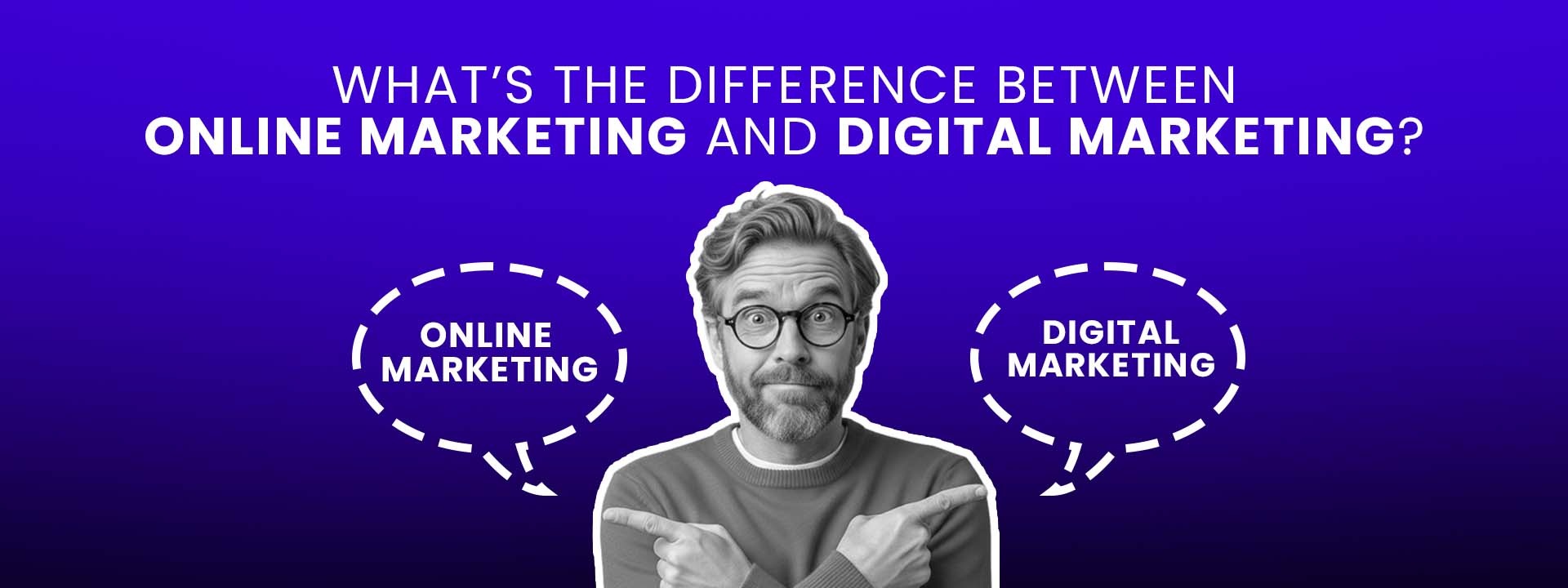
These days, marketing isn’t just about big signs by the highway or spots in the paper. Companies lean more and more on internet tools to connect with people, spark interest, then turn that into sales. Yet something still trips up learners, startup founders, and seasoned operators alike – what is the difference between online marketing and digital marketing?
Online marketing focuses on web-based tools, whereas digital marketing covers a broader range of platforms beyond just the internet. One works mainly through websites and emails, while the other includes things like TV ads and mobile apps too.
It might seem subtle, yet that contrast shapes how campaigns are built, teams are formed, or skills are developed. Seeing where they diverge helps clarify which approach fits specific goals, roles, or business needs better. Though often used interchangeably, their reach and methods set them apart in real-world use.
Picture this: a roadmap that teaches, shares truthfully, leaves room for belief over time. If hiring help with outreach, picking up web-based abilities, or expanding your venture into internet spaces fits your aim, what follows clears every foggy patch ahead.
- Online marketing focuses only on internet-based channels
- Digital marketing includes both online and offline digital platforms
Difference Between Online Marketing and Digital Marketing
People mix these up all the time, yet when you look closely – especially through a planner’s eyes – digital vs online marketing aren’t quite the same thing. What falls under online marketing must run on the web, needing live connectivity to work at all.
Starting off, top 10 digital marketing companies cover more ground than just websites – it brings in tools like SMS or offline apps too. What sets it apart? Well, online marketing sticks strictly to internet-based methods. Peeling these ideas apart helps spot the differences clearly. Only after looking at each one on its own does comparing them make real sense.
What Is Digital Marketing?
Floating out across screens and signals, digital marketing spreads word about products, seo services in pakistan, or brands using online spaces. Not just websites – it also rides on digital tools that work without an internet connection.
Digital marketing covers:
- Internet channels (websites, search engines, social media marketing agency)
- Text messages reach people without internet access. Meanwhile screens at bus stops flash ads during rush hour. Stations broadcast audio spots between songs on traditional radios. Screens in homes light up with moving pictures when shows pause for breaks
- Data-driven targeting and automation
- Analytics and performance tracking
Key characteristics of digital marketing:
- A wider view exists beyond just digital promotion
- Fine on phones, runs smooth on tablets too. Laptops handle it well, desktops show no trouble. Even older models keep up without issues. Works just right wherever you try
- Focused on growing a brand slowly while getting results now. Building trust takes time, yet numbers matter today just as much. Patience shapes reputation; consistent effort keeps things moving forward
Broad reach explains why companies frequently turn to internet-based marketing help when building their approach to expansion.
What Is Online Marketing?
Out here on the web, marketing finds its home within digital efforts. Not every piece shows up through screens – just these do.
Online marketing includes:
- Websites and landing pages
- Search engine marketing
- Social media marketing
- Online ads
- Email marketing service
Key characteristics of online marketing:
- Requires internet connectivity
- Focusing now on live interaction
- Primarily performance-driven
Put another way, every kind of web-based promotion falls under digital advertising – yet plenty of digital efforts happen off the internet.
Digital Marketing vs Online Marketing (Key Differences Table)
| Aspect | Digital Marketing | Online Marketing |
| Scope | Broad | Narrow |
| Internet Required | Not always | Always |
| Channels | Online + Offline digital | Online only |
| Examples | SEO, TV ads, SMS | SEO, social media, email |
| Strategy Focus | Brand + Performance | Performance-focused |
This comparison clearly explains the difference between online marketing and digital marketing in real-world usage.
Online digital marketing services for modern businesses
These days, Top digital marketing agencies in Pakistan hardly stick to just one way of reaching customers. A steady brand experience across different spaces comes from using internet-based promotion tools.
Businesses get support through these offerings:
- Attract targeted traffic
- Build trust and authority
- Turn people who show interest into paying buyers
- Measure ROI accurately
Below are the most important digital marketing services online used by businesses today.
Search Engine Optimization
Higher rankings on search engines come easier when SEO is part of the plan. Because of this, visitors start showing up without paid ads pulling them in.
SEO includes:
- Keyword research
- On-page optimization
- Technical SEO
- Content optimization
- Link building
Building visibility takes time – this approach sits at the heart of how brands show up online. Not quick fixes, but steady work shapes presence across digital marketing agency spaces.
Social Media Marketing & Advertising
Through social networks, companies can talk straight to people who follow them.
Social media marketing covers:
- Organic content creation
- Paid advertising campaigns
- Community management
- Brand awareness
With how far it can spread, this shapes both digital and online marketing approaches. Engagement possibilities push its weight across campaigns.
Google Ads & Paid Media
Paid media delivers instant visibility.
Paid advertising includes:
- Google Search Ads
- Display ads
- YouTube ads
- Retargeting campaigns
A digital-only platform, it usually works with SEO to speed things up.
Content Marketing & Blogging
Over time, teaching people something useful slowly creates trust through content that sticks around. A steady flow of clear information shapes how audiences feel, changing doubt into reliance without force or flash.
It includes:
- Blog posts
- Guides and tutorials
- Case studies
- Landing page content
A strong presence online often grows when helpful content shows up regularly. Digital efforts gain trust because people start recognizing the source. Visibility climbs as readers return, drawn by useful information they can rely on.
Email Marketing Automation
Email still brings strong returns compared to most outreach methods.
Email marketing includes:
- Newsletters
- Lead nurturing
- Automated sequences
- Promotional campaigns
Built right into how it works, this connects brand presence with results that sell. A smooth path runs through both without favoring one over the other.
Analytics CRO & Performance Tracking
Bits of information hold everything together when it comes to thriving online.
This includes:
- Google Analytics
- Conversion rate optimization
- User behavior analysis
- Funnel optimization
Running online campaigns without data is like guessing in the dark – growth slows. Digital efforts need numbers behind them to move forward steadily.
Digital Marketing Services Online Who Needs Them?
A single plan doesn’t fit all companies, yet reaching customers through internet tools works in nearly any field.
Small Businesses
Small businesses use digital marketing to:
- Compete with larger brands
- Reach local customers
- Generate consistent leads
- Maximize limited budgets
Startups and SaaS Companies
Startups rely on digital marketing for:
- Rapid growth
- User acquisition
- Product validation
- Investor visibility
E-commerce Brands
E-commerce depends heavily on:
- SEO and product optimization
- Paid ads
- Email automation
- Retargeting
Local and Global Companies
Both local and global brands use digital marketing to:
- Maintain brand consistency
- Expand reach
- Track performance
- Enter new markets
Learn Digital Marketing Online?
What stands out most here is how open it feels. A lot of folks wonder – can they pick up digital marketing through web courses even if they never went to college? Yes, it works – provided you stick to the correct route.
Free online digital marketing lessons
Blogs & Guides
What you get from industry blogs is solid training stuff at zero cost, diving into SEO, advertising, along with planning moves. Learning happens naturally when topics like search rankings, paid clicks, and long-term plays come up regularly through real examples. These posts skip the fluff, focusing on what works without pretending every tip fits all situations.
YouTube
Video tutorials help beginners understand tools and workflows visually.
Google Skillshop
A fresh start comes from Google’s learning site, where courses lead to credentials in advertising tools plus data tracking. Each skill builds on real tasks, guiding users through digital measurement and campaign setup without extra steps. Proof of progress shows up as official badges earned step by step.
Paid Online Courses and Certifications
Paid courses provide:
- Structured learning
- Practical assignments
- Certifications
- Career guidance
Perfect for those learning and aiming to move ahead more quickly.
Learn by Doing Real Projects
Practical experience is essential.
You can practice by:
- Building your own website
- Running test ad campaigns
- Managing social media pages
- Freelancing for small clients
Learn Digital Marketing Online – Step-by-Step Roadmap
Getting your steps straight keeps things from turning messy out there online digital market.
Beginner Level (Foundations)
Focus on:
- Marketing basics
- SEO fundamentals
- Content writing
- Social media basics
Intermediate Tools and Execution
Learn:
- Google Ads
- Social media advertising
- Email automation
- Analytics tools
Advanced Strategy and Scaling
Master:
- Funnel building
- CRO
- Growth strategies
- Campaign optimization
Tools digital marketers use
Key tools include:
- Google Analytics
- Google Search Console
- SEO tools
- Email marketing platforms
- Social media schedulers
Master’s in Digital Marketing Online – Is It Worth It?
A growing number of workers see an online master’s in digital marketing as a way to move faster toward career goals. Some find it opens doors others never reach.
What You Learn in an Online Master’s Program
Programs typically cover:
- Marketing strategy
- Consumer behavior
- Data analytics
- Brand management
Online Master’s vs Short Certifications
- Master’s programs are in-depth and academic
- Certifications are faster and skill-focused
What works hinges on where you want your career to go.
Career Opportunities After a Digital Marketing Master’s
Graduates can pursue:
- Jobs in companies
- Freelancing
- Agency growth
- Consulting
Online Digital Market Career and Business Opportunities
Faster every day, the web’s marketplace grows. Still more people join, shifting how goods move. Behind screens, new shops appear overnight. Something different shows up now.
Demand for Digital Marketers
Businesses need professionals who can:
- Drive traffic
- Generate leads
- Improve ROI
- Analyze performance
Work From Anywhere Jobs Worldwide
Digital marketing enables:
- Remote work
- Global clients
- Flexible careers
Freelancing & Making Money Online
Freelancers can:
- Work independently
- Scale income
- Build personal brands
Final Thoughts
Not seeing eye to eye on online versus digital marketing? That gap shapes choices. Learning it changes how you hire experts. Building something new leans on these details too.
Summary:
- Learning path: Start online, grow into digital strategy
- Better returns come through connected online strategies
- Finding new customers happens faster now through web platforms
Businesses moving ahead often team up with groups such as Progressive Solution, which blends learning with planning and real-world steps to build lasting progress.
FAQs
1. How do online marketing and digital marketing differ?
Internet-based promotion sticks to web tools, whereas broader digital approaches mix in non-web tech too.
2. Is digital marketing better than online marketing?
Online promotion reaches further, adapting easily – ideal for steady brand expansion over time.
3. Can I learn digital marketing online without a degree?
Folks pick up skills by doing things hands-on, reading posts online, or jumping into web classes.
4. How long does it take to learn digital marketing online?
Three to six months is enough to pick up the basics, yet staying sharp means never really stopping.
5. Is an online master’s in digital marketing worth it?
Beyond leadership and strategy, real worth shows up in hands-on abilities just the same.
Recent Posts
- How to Identify Scam Websites in 2026 (Step-by-Step Guide)
- What Is a Software Development Process Model? A Complete Guide by Progressive Solution
- What Is SEO Marketing? Meaning, Benefits, and How It Works
- How to Get Affordable SEO Services for Small Businesses in Pakistan
- What Is the Impact of Social Media on Youth? Why Pakistani Youth Must Understand Its Effects