Creative Ways to Explain Bio in One Line for a Graphic Designer
Published on: 20 February, 2026
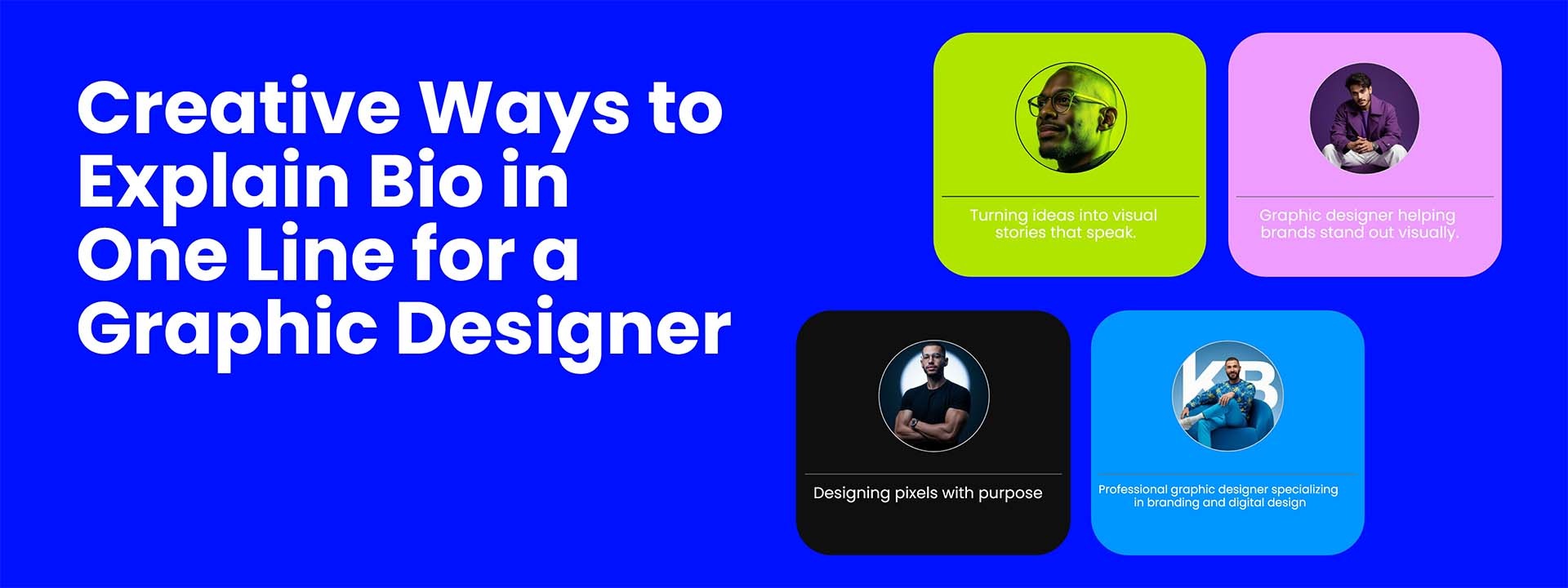
A sharp one-liner might get you noticed before anyone even clicks on your work. When it shows up on a site, social media, or a gig app, that tiny snippet forms the initial takeaway. Creatives – designers in particular – need those few words to reveal skill, character, and purpose without slowing down. A strong profile intro for a visual artist shows people exactly who you are, what work you create, because it explains your value right away. When screens move fast now, clear words grab attention better than tangled ones.
A fresh look at crafting short bio for graphic designer – packed with real examples that fit anywhere. Ways to blend creativity, strategy, and professionalism without sounding like everyone else. Each line is shaped to work on social media, portfolios, or profiles. Real talk instead of templates. Ideas built for how people really write. Not stiff. Not flashy. Just clear paths to better one-liners. Examples pulled from actual use cases. No filler, just options that move. Short lines with weight behind them. Approaches that shift with your role, your voice, your needs.
- A one-line bio should clearly state your role and value
- Creativity matters, but clarity builds trust
One Line Bio Importance for Graphic Designers
A fresh perspective often stands out where images speak first. Yet words behind the work reveal intent, shaping how others see your approach, grounding talent in clarity instead of just color.
A one-line creative bio for graphic designer helps you:
- Burst into view where others blend in. Stand out without shouting. Fit in by being different. Show up while staying true. Be seen because you’re real
- Communicate expertise without overselling
- Match platform expectations (social media marketing agency, portfolio, freelancing sites)
Here’s something real: folks show up already unsure. A sharp, honest introduction for a visual artist wipes away doubt without flash. It just works.
Qualities of an Effective Graphic Designer Biography?
A good best bios for graphic designers starts clearly. Think about what matters most when showing who you are. Strong designer bios usually build on just a few key pieces. These parts fit together without feeling forced. Often, they sound natural because the structure stays light. The best ones don’t overload details. Instead, they link ideas like stepping stones. Each part leads somewhere real
Designer Builds App That Solves User Problem
For example:
“Graphic designer crafting clean, conversion-focused brand visuals.”
This approach delivers results since it:
- Explain your work. What it is you actually handle each day shows up here
- Highlights your specialty
- Shows value or result
Creative One Line Bios With Examples
Examples split into groups sit below. These show different ways to sound when building how people see you.
Creative Bio for Graphic Designer (Modern & Artistic)
For creatives aiming to stand out, these bio for a graphic designer fit just right. A designer’s unique flair shows up clearly here instead of getting lost in jargon. Original thinking gets room to breathe when words stay sharp yet simple. This space suits those who build visuals with a personal touch, not just trends.
- “Turning ideas into visual stories that speak.”
- “Designing brands that look good and feel right.”
- “Visual thinker shaping ideas into design.”
- “Creating meaningful visuals for modern brands.”
- “Design is my language; brands are my voice.”
Feeling-driven and full of imagination, these profiles fit right into galleries or spaces where art thrives – mostly because they speak more through mood than facts. A natural match for makers who let intuition lead.
Bio for a Graphic Designer Professional and Clean
Great on sites, plus solid for LinkedIn. Works well inside agency pages too.
- “Professional graphic designer specializing in branding and digital design.”
- “Graphic designers focused on clean visuals and brand consistency.”
- “Helping businesses grow through strategic graphic design.”
- “Experienced graphic designer delivering results-driven visuals.”
- “Designing functional and impactful visual identities.”
Trust grows when words feel real, not rehearsed. Authority shows up quietly in honest phrasing. Tone matters more than polish here. A natural voice often wins where slickness fails.
Instagram bio for a graphic designer
Short sentences work better on Instagram profiles. Visual hints pop more than blocks of text. A touch of character makes it stick – like a smirk in words. Length matters less than vibe. What stays is how it feels when scrolled past fast.
- “Designing pixels with purpose”
- “Branding | Logos | Visual stories”
- “Freelance graphic designer | Turning ideas into visuals”
- “Minimal design. Maximum impact.”
- “Helping brands look unforgettable.”
Bold visuals pop alongside emojis, though portfolio links help too. Sometimes a highlight reel works better than text alone.
Graphic Designer Profile for Facebook
Folks might share their job stuff on Facebook profiles. Connection goals show up there too.
- “Graphic designer helping brands stand out visually.”
- “Creative graphic designer for logos, branding, and digital media.”
- “Designing professional visuals for modern businesses.”
- “Your go-to graphic designer for brand-ready visuals.”
- “Visual design solutions for growing brands.”
A person’s vibe on Facebook often shows right away in their bio. Yet it needs to stay grounded, not too casual. Instead of trying hard to impress, just say what matters. So keep it real but tidy. Because first impressions stick around longer than expected.
Graphic Designer Bios That Focus on Clients
What matters most shows up fast in these bios. Value speaks plainly when the client stays in focus.
- “I design visuals that help brands convert and grow.”
- “Graphic designers focus on clarity, consistency, and results.”
- “Designing visuals that speak to your audience.”
- “Helping brands communicate better through design.”
- “Visual solutions for businesses that want to stand out.”
Finding success with these often happens on freelance sites.
Mistakes Graphic Designers Make in Short Bios
Many designers unintentionally weaken their profiles by making these mistakes:
- Being too vague (“Creative soul”, “Design lover”)
- Using too many buzzwords without meaning
- Focused entirely on me, not what clients gain
- Overloading with emojis or hashtags
Your bio needs to make one thing obvious right away
“Why should someone hire or follow you?”
Your Bio and Long Term Career Growth
A single line can say exactly who you are. People building designs with awareness of what industries need tend to explain themselves more clearly. Their place in the field shows between the words. Starting down a lasting work path? Getting clear on what graphic designing scope in pakistan shapes how you build skills – think brand look, online visuals, app layout, or working solo.
What fits your move comes clearer when the scene makes sense. A freelance worker often talks about results, building confidence. Yet someone who designs bios for agencies might choose a sharper, corporate tone.
Inspiration From Design Thinking
Many designers refine their bios after being inspired by industry philosophy. Reading quotes for graphic designers often helps clarify how you see your role in the creative process. Inspiration slips in when scanning lines meant for reflection.
A moment of clarity shows up mid-paragraph. Perspective sharpens without warning. Thoughts settle differently after reading what resonated long ago. Seeing yourself anew comes quietly. Ideas stick around if they feel true.
For example:
“Design is not decoration – it’s communication.”
A shift like this turns an ordinary bio into something that matters.
learning from graphic design books
Most powerful designer profiles belong to those fluent in core principles. Picking up a graphic design books on visual communication sharpens how ideas are expressed.
Books teach you:
- Design vocabulary
- Strategic thinking
- Brand storytelling
Confidence shows through the way you talk about who you are, even when it’s just a single sentence.
Aligning What You Do With How You Do It
A person who shapes interfaces needs a voice that matches their work. Not every creative speaks the same way – tone shifts when pixels replace posts.
Figuring out which software is used for graphic designing helps here:
- Adobe Photoshop → visual & marketing focus
- Adobe Illustrator used for branding and identity
- Figma for UI UX and Product Design
- Canva → content & social media design
Focusing on what you do best can show through without saying it outright.
Platform-Specific Bio Strategy (Quick Guide)
- Portfolio Website: Professional, clear, value-driven
- Instagram: Creative, short, visual
- Facebook: Friendly, service-oriented
- Freelance Platforms: Result-focused, trust-building
- Agency Profile: Expert, structured, confident
Update your bio as you grow
A fresh start isn’t locked in stone. Sharp creators reshape their story as they move forward.
You should refine your bio when:
- Mastering something fresh takes time. Yet practice shapes progress slowly.
- Your target audience changes
- You shift from beginner to professional
- You move from freelancing to agency work
Staying fresh? That happens when designers shape their bio as something that grows. Relevance sticks around much better that way.
Final Thoughts
A single line might seem small – yet it shapes how designers are seen. Over months, that brief introduction quietly strengthens credibility, sharpens focus, adds depth to who they are. A designer’s real skill shows when meaning comes through fast. Not every team gets this, but places such as Progressive Solution build trust by making things obvious – right down to how someone describes themselves online.
FAQs
Q1: What is a good one-line bio for a graphic designer?
A good one-line bio clearly states your role, skill, and value, such as “Graphic designer creating brand-ready visuals.”
Q2: How do I write an Instagram bio for a graphic designer?
Keep it short, creative, and visual-focused. Highlight your specialty and add personality.
Q3: Should a graphic designer bio be creative or professional?
It depends on the platform. Creative for social media, professional for websites and clients.
Q4: Can a one-line bio really impact my career?
Yes. It shapes first impressions and helps clients quickly understand your expertise.
Q5: How often should I update my graphic designer bio?
Update it whenever your skills, focus, or career direction change.
Recent Posts
- Marketing and Advertising Strategies That Actually Work in 2026
- How to Identify Scam Websites in 2026 (Step-by-Step Guide)

- What Is a Software Development Process Model? A Complete Guide by Progressive Solution

- What Is SEO Marketing? Meaning, Benefits, and How It Works

- How to Get Affordable SEO Services for Small Businesses in Pakistan